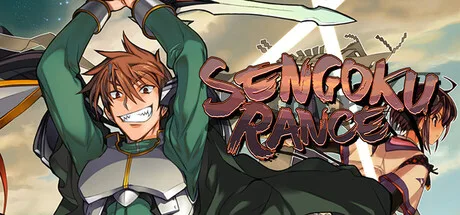
Sengoku Rance Guide: Master the Strategy of Alicesoft's Classic
Master the tactical depth of Sengoku Rance with our ultimate guide. Learn recruitment, combat strategies, and how to conquer Nippon in this classic RPG.
Published: Sengoku Rance Wiki Editorial Team
Table of Contents
The gaming landscape is filled with strategy titles, but few have the cult status and tactical complexity of Alicesoft's masterpiece. If you are diving into the world of Sengoku Rance, you are not just playing a visual novel or a standard JRPG; you are engaging in a deep, multi-layered grand strategy simulation that demands careful planning and resource management.
Why does this title remain so relevant decades after its initial release? Because it perfectly blends high-stakes tactical combat with a branching narrative that reacts to your every decision. Whether you are a newcomer to the series or a veteran looking to optimize your conquest of Nippon, understanding the core mechanics is the difference between ruling the land and facing a swift defeat. In this Sengoku Rance guide, we will break down the essential strategies, combat nuances, and management tips you need to succeed.
Understanding the Core Gameplay Loop
At its heart, the gameplay in Sengoku Rance revolves around a turn-based system where you act as the leader of the Oda clan. Your goal is simple on paper—unite the nation—but incredibly complex in execution. You are not just fighting battles; you are managing a state.
Every turn, you have a limited number of "Action Flags." Think of these as your currency for activity. Whether you are recruiting new commanders, engaging in diplomacy, or launching a full-scale invasion, every move consumes these precious resources. Failing to manage these flags efficiently is the most common reason new players find themselves stuck in a corner.
Key Gameplay Pillars
Feature
Description
Strategic Importance
Action Flags
Limited moves per turn.
Determines your expansion speed.
National Power
Limits the number of troops you can field.
Prevents snowballing too early; keeps combat balanced.
Affection System
Relationship level with commanders.
Unlocks unique events, stat boosts, and story routes.
Diplomacy
Declaring war vs. alliances.
Vital for preventing being overwhelmed by multiple fronts.
Tip
Prioritize Action Efficiency
Always look for ways to increase your Action Flags early in the game. Using your initial flags to unlock basic infrastructure or recruit key characters is far more valuable than rushing into a risky battle without proper support.
Mastering Combat and Tactical Depth
Combat is where the game truly shines. It is not a simple "attack until the enemy dies" system. It requires an understanding of turn order, unit types, and defensive synergies. Community reports often highlight that the learning curve can feel steep, but once you grasp the "Ally Guard" mechanic, you will find yourself winning battles that initially seemed impossible.
In battle, you manage a squad of commanders, each with specific roles. Warriors are your primary damage dealers, while guards provide the necessary protection for your squishier units like tacticians and archers.
Understanding Unit Roles
Unit Type
Primary Function
Best Usage
Warrior
High attack, frontline combat.
Clearing enemy fodder and pushing the line.
Guard
High defense, tanking.
Using "Ally Guard" to soak up damage for allies.
Tactician
Buffs, debuffs, magic.
Controlling the flow of battle and setting up combos.
Archer
Ranged damage.
Striking back-row enemies safely.
When you enter a fight, pay close attention to the "Action Flags" of your commanders. A character like Shibata, for instance, is invaluable because of his ability to guard allies. If you place him in front of a tactician, he can mitigate the damage taken, allowing your support units to stay in the fight longer. This synergy is the backbone of any successful Sengoku Rance strategy.
Recruitment and Army Management
As you expand your domain, you will encounter dozens of potential recruits. Not every character is created equal, and your choices here will dictate the difficulty of your late-game runs. According to player experience, the most successful campaigns are built on a diverse roster rather than a single "super-unit."
Managing your army involves more than just picking strong characters. You must balance their "Cost" against your total "National Power." If your army costs more than your power allows, you will see your gold income plummet, effectively crippling your ability to replenish troops.
Army Management Checklist
Check the Cost: Always ensure your total unit cost is within your National Power limit.
Monitor Affection: Don't neglect your commanders. High affection often unlocks powerful stat bonuses or unique skills.
Equip Items: Don't let items sit in your inventory. Even a mediocre item can turn a low-tier character into a useful support piece.
Rotate Units: Don't rely on the same five units for every battle. Some situations require specific skills that only certain characters possess.
Warning
The RNG Factor
Be aware that RNG (Random Number Generation) plays a significant role in combat outcomes. If you are playing optimally, you may find yourself needing to "save-scum" (save before a battle and reload if things go poorly). This is a widely accepted practice in the community to mitigate bad luck.
Navigating the Branching Storylines
One of the reasons to keep playing Sengoku Rance is the narrative complexity. Your decisions do not just affect your current war effort; they change the very path the story takes. Some routes are hidden behind specific requirements—such as conquering certain territories or maintaining specific alliances—that are not immediately obvious to a first-time player.
If you find yourself stuck, remember that New Game+ is your best friend. The game is designed to be played multiple times. You can carry over certain elements from previous campaigns, allowing you to experiment with different strategies and unlock the "True Route" that might have been inaccessible during your first run.
Story Progression Factors
Territory Control: Owning specific lands often unlocks unique story events.
Character Choices: Who you choose to interact with (or eliminate) changes the political landscape.
Time Sensitivity: Some events only trigger during specific turns. Missing these windows can lock you out of content for that playthrough.
For those who want to dive deeper into the official details and check the latest updates, you can always visit the official Steam page for the game.
Tips for Beginners: Avoiding Common Pitfalls
New players often struggle because the game does not hold your hand. There is no tutorial that explains everything, and the game expects you to learn through trial and error. Here are some essential tips to keep you from hitting a wall.
Don't ignore the "Construction" and "Negotiation" options: While it is tempting to just attack, these actions are vital for long-term stability.
Use the "Standby" command: It doesn't use an action flag, but it can be crucial for positioning or waiting for the enemy to act.
Focus on the "Monke": As many community guides suggest, dealing with certain characters early can save you a massive headache later.
Essential Survival Strategies
Goal
Strategy
Early Game
Focus on capturing weak neighboring territories to boost income.
Mid Game
Start building relationships with key commanders for stat boosts.
Late Game
Prioritize securing high-value strategic locations over minor ones.
All Stages
Always keep a reserve of gold for emergency troop replenishment.
The learning curve is like a cliff, but the view from the top is worth it. Do not be discouraged if your first run ends in failure. Every defeat in Sengoku Rance provides you with knowledge that will make your next attempt significantly stronger.
FAQ
Is Sengoku Rance a difficult game to learn?
Yes, it has a significant learning curve. The game provides little guidance, so you will need to pay attention to your unit stats, action flag management, and the feedback from your commanders. Most players find that their second or third playthrough is when they truly begin to understand the mechanics.
Do I need to play the previous games in the series to understand the story?
While it is part of a series, this title is largely self-contained. You can enjoy the story and the strategic depth without having played the earlier entries. The game provides enough context for the setting and the characters to get you up to speed quickly.
Why is "save-scumming" recommended?
Because of the RNG elements in combat and the high stakes of losing a battle, save-scumming is a common strategy to avoid losing hours of progress due to a single bad dice roll or a tactical error. It allows you to learn the game's systems without the frustration of constant restarts.
Is the mature content central to the gameplay?
The game features mature content, including adult themes and visual novel elements, which are integrated into the story and character interactions. However, the core of the experience remains a deep tactical RPG. You can engage with the strategy systems fully regardless of your interest in the adult visual novel aspects.